Rosa Vogel · 11 September 2026
Mossvale Converts Abandoned Railway Corridor into Popular Community Walking Trail
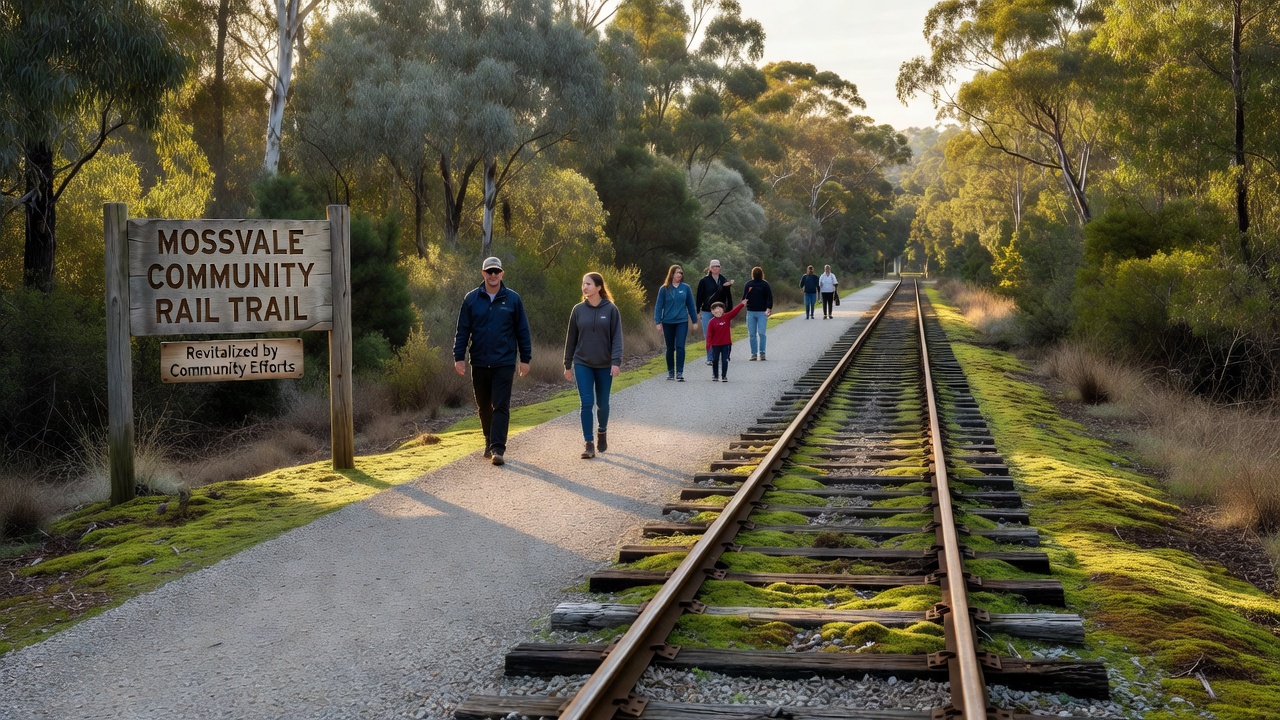
The disused railway line that once connected Mossvale to nearby towns has undergone a steady conversion into a multi-use walking trail, driven by coordinated local initiatives that began gaining momentum several years ago and continue through 2026.
Historical Context of the Line
Built in the late 19th century the Mossvale branch line carried freight and passengers until passenger services ended in the 1960s while freight operations tapered off by the early 1980s, leaving the corridor largely unused except for occasional maintenance access, and overgrown sections soon became a barrier rather than a connector between residential areas and the countryside beyond the town.
Community-Led Revival Efforts
Residents formed volunteer working parties that cleared vegetation, repaired drainage, and installed basic surfacing starting around 2018, while local businesses contributed materials and council planners provided technical guidance on land access agreements that allowed the project to move forward without lengthy legal delays, and these combined actions turned an informal idea into a structured redevelopment plan funded partly through small grants and community fundraisers.
Transformation Steps and Timeline
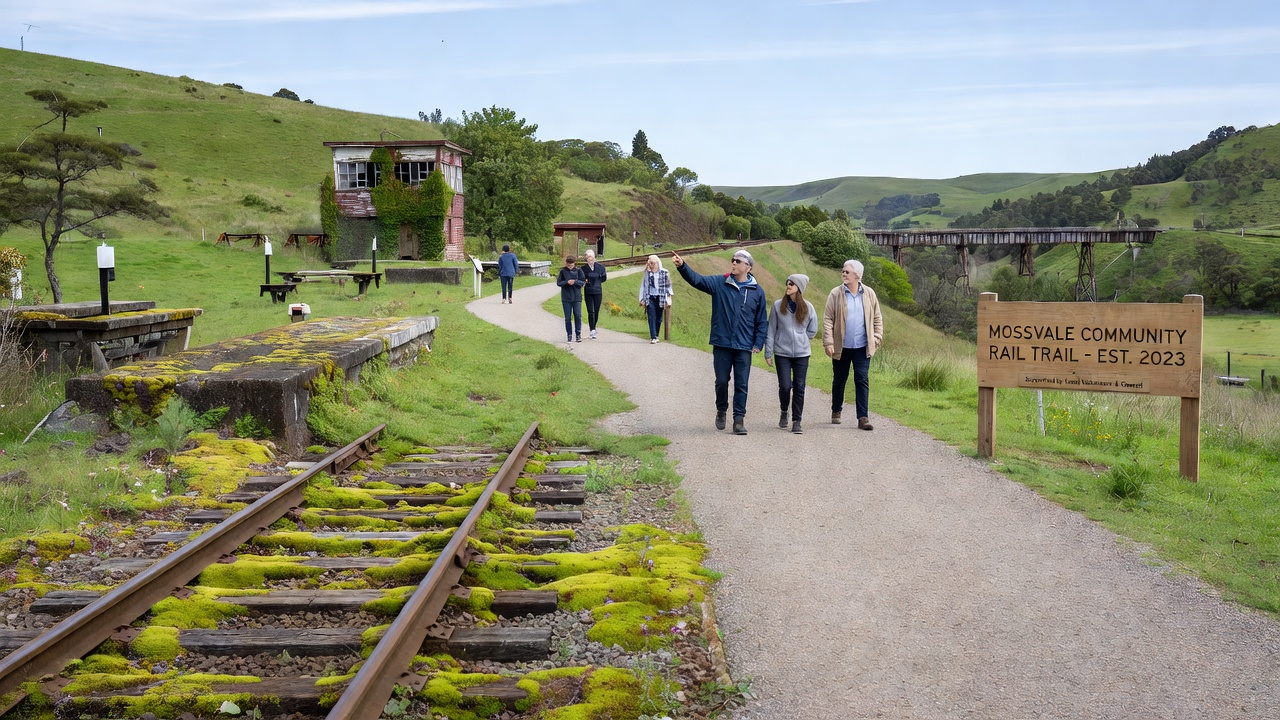
Early phases focused on safety improvements such as removing unstable embankments and adding wayfinding markers, after which wider sections received compacted gravel paths suitable for walkers and cyclists, and lighting was introduced at key entry points to extend safe usage into evening hours, with progress accelerating once a dedicated steering group secured additional permissions from landowners along the route.
Usage Patterns and September 2026 Plans
Current footfall data collected by the steering group indicates steady daily use by residents for exercise and commuting shortcuts, while school groups and walking clubs have begun scheduling regular outings along the route, and planners have scheduled a formal launch event for September 2026 that will include guided tours, habitat education stations, and a community picnic area near the former station site.
Environmental and Access Benefits
The trail now links several green spaces that were previously separated by the rail embankment, creating continuous corridors for local wildlife while providing an off-road route that reduces reliance on busy roads for short journeys, and observers note that native planting schemes introduced during the works have begun to support pollinators and small mammals that had limited habitat in the area before the conversion.
According to a report from Rails to Trails Australia similar conversions elsewhere have shown measurable increases in physical activity levels among nearby populations, and figures from comparable UK projects align with these patterns though local monitoring continues to track specific outcomes in Mossvale.
Maintenance and Future Outlook
Ongoing care relies on a rotating roster of volunteers supported by periodic council inspections, while signage updates and surface repairs are budgeted through a combination of parish funds and donations collected at trailhead information boards, and the steering group continues to explore extensions that would connect the existing path to adjacent villages once further landowner agreements are finalized.
Conclusion
The Mossvale project demonstrates how sustained local coordination can repurpose legacy infrastructure into active travel assets, with measurable progress already visible along the corridor and additional milestones set for September 2026 that will mark the next stage of community integration.