Uma Butler · 23 October 2026
Youth-Led Tree Planting Campaigns Reshape Mossvale Riverbanks
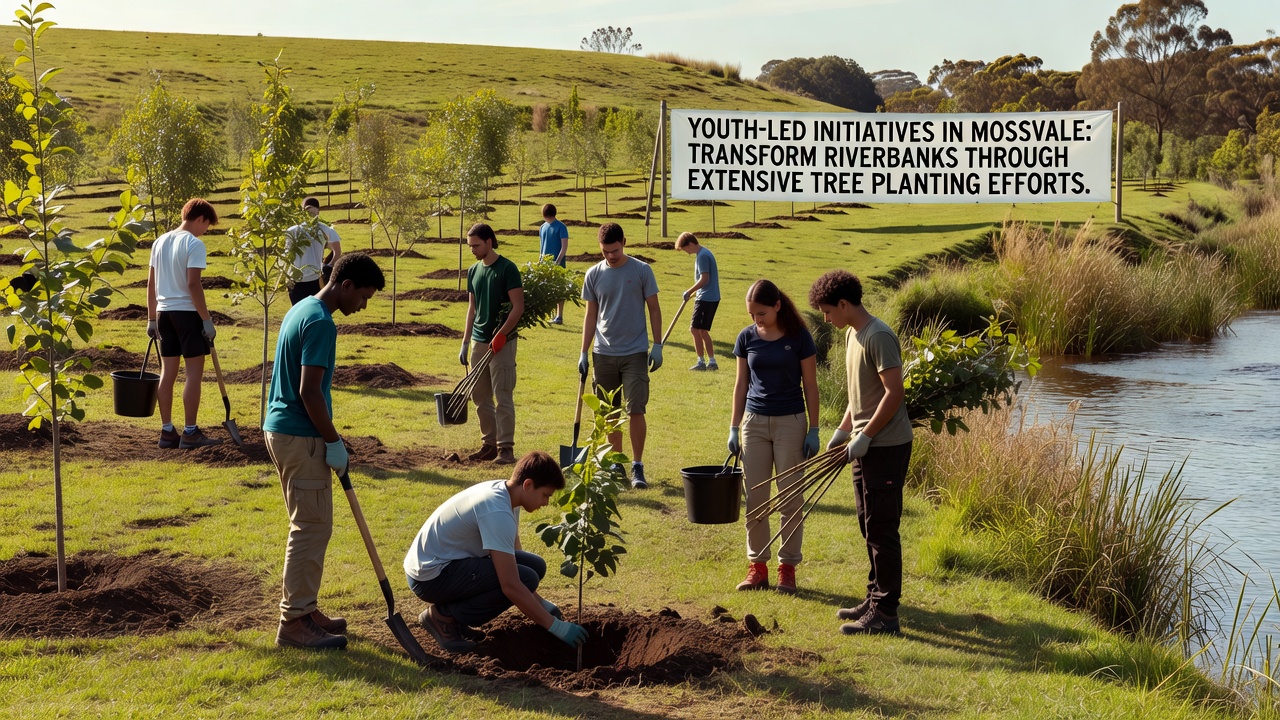
Local youth organizations in Mossvale have coordinated extensive tree planting projects along the riverbanks since early 2025, and these efforts continue to expand with new sites selected each season. Groups of students and young residents work alongside environmental coordinators to select native species that stabilize soil and support local wildlife habitats, while data from monitoring stations shows measurable reductions in erosion rates at treated sections. Schools across the area integrate these activities into curriculum modules on ecology, which means participants gain practical experience that complements classroom learning on watershed management.
Project Origins and Expansion Timeline
The initiative began when several secondary school clubs identified degraded sections of the river corridor where previous flooding had stripped away vegetation, and they approached town officials with detailed proposals backed by soil analysis reports. By mid-2025 the first phase covered two kilometers of bank, and organizers secured additional funding through regional environmental grants that allowed equipment purchases and seedling supplies. October 2026 marks the start of the third planting cycle, during which teams plan to add another 1,500 trees across previously untouched stretches, according to project logs maintained by the coordinating committee.
Participants use GPS mapping tools to record each planting location, and this information feeds into a shared database that tracks survival rates over multiple growing seasons. Researchers from nearby universities have contributed technical guidance on species selection, noting that willow and alder varieties perform particularly well in the local soil conditions. What's interesting is how these records also help identify areas where supplementary measures such as bank reinforcement may still be needed, creating a feedback loop that refines future work.
Community Involvement and Training Components
Weekly workdays draw volunteers ranging from ages 14 to 25, and experienced mentors provide hands-on instruction in proper planting techniques that minimize root disturbance. Local businesses donate tools and refreshments, which keeps logistical costs low and maintains steady participation numbers. Training sessions cover topics including native plant identification and basic water quality sampling, skills that volunteers apply during follow-up visits to measure project outcomes.
One study revealed that similar youth-driven riparian projects in other regions produced comparable improvements in biodiversity indicators within three years, and Mossvale coordinators reference these findings when planning species mixes. Data shows that planted areas now host increased numbers of pollinators and small mammals compared with untreated control sites nearby. Yet the work requires ongoing maintenance, because invasive species can quickly reestablish themselves if left unchecked.
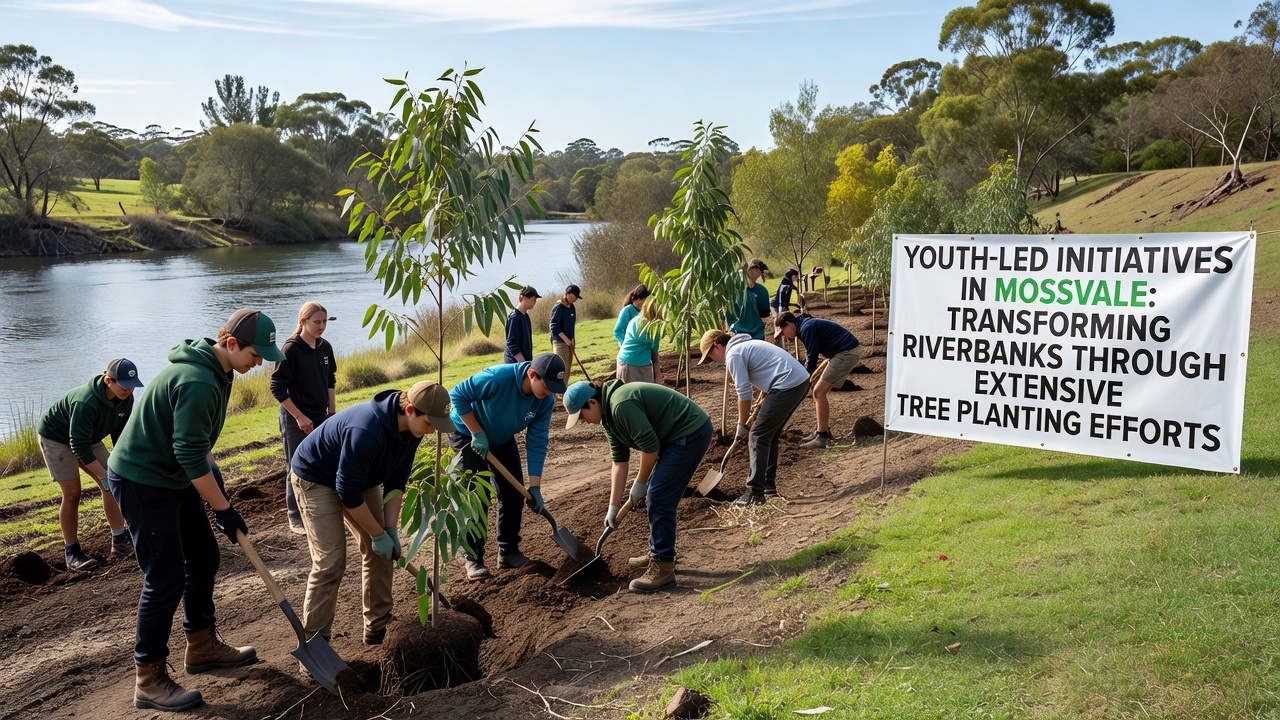
Partnerships with regional conservation trusts supply additional seedlings and technical support, while participants attend occasional workshops led by forestry professionals. These sessions emphasize long-term stewardship practices that extend beyond the initial planting phase. Figures reveal that over 4,200 trees have been installed so far, covering approximately 3.8 kilometers of river frontage when measured along both banks.
Measured Outcomes and Ongoing Monitoring
Water quality sensors installed at key points record lower sediment loads during rainfall events, and these readings align with expectations from riparian restoration models developed by environmental agencies. Youth teams conduct seasonal surveys that document changes in vegetation cover and wildlife activity, producing datasets that local authorities use when updating flood defense strategies. According to information published by Environment and Climate Change Canada on comparable riverbank projects, structured planting programs can reduce peak flow impacts by measurable percentages when coverage reaches sufficient density.
School groups have begun incorporating the collected data into science fair presentations, which spreads awareness among younger students and encourages continued recruitment. Equipment such as moisture probes and identification guides remains available through a shared resource library managed by the initiative coordinators. The ball's in the community's court now that baseline measurements exist, and future phases will focus on filling gaps identified during recent assessments.
Observers note that collaboration between different age groups strengthens project continuity, because older volunteers mentor newcomers and ensure techniques remain consistent. Regular progress reports appear on the town's public information portal, allowing residents to track developments without attending every workday. Research indicates that sustained community involvement correlates with higher long-term success rates in similar habitat restoration efforts across multiple countries.
Future Phases and Broader Connections
Planning documents outline expansion into adjacent tributaries by 2027, and organizers aim to connect the current sites into a continuous green corridor that links existing parks with the river pathway network. Additional funding applications target equipment upgrades that would allow larger volunteer crews to work simultaneously. Those who've studied this know that scaling successful pilot projects often depends on maintaining accurate records and adapting methods based on observed results.
Links with international youth environmental networks provide opportunities for knowledge exchange, although most activities remain focused on local conditions. A report from the Australian Department of Climate Change, Energy, the Environment and Water highlights how youth participation in tree planting can support both ecological goals and skill development in participating communities. Mossvale teams review such resources when refining their own protocols.
Conclusion
The riverbank transformation in Mossvale demonstrates how coordinated youth efforts produce tangible environmental changes when supported by consistent monitoring and community resources. Continued expansion scheduled for October 2026 and beyond will test the scalability of current methods, while collected data informs adjustments that keep the work aligned with measurable outcomes. Partnerships with academic and governmental sources supply the technical foundation that sustains momentum across planting seasons.